
Balancing development and discipline is one of the most important and challenging aspects of raising a child. While development helps in nurturing a child’s emotional, social, and cognitive growth, discipline helps teach important aspects like responsibility and boundaries. Although these elements may seem to be in conflict sometimes, they complement each other well when approached thoughtfully and contribute to a child’s holistic development.
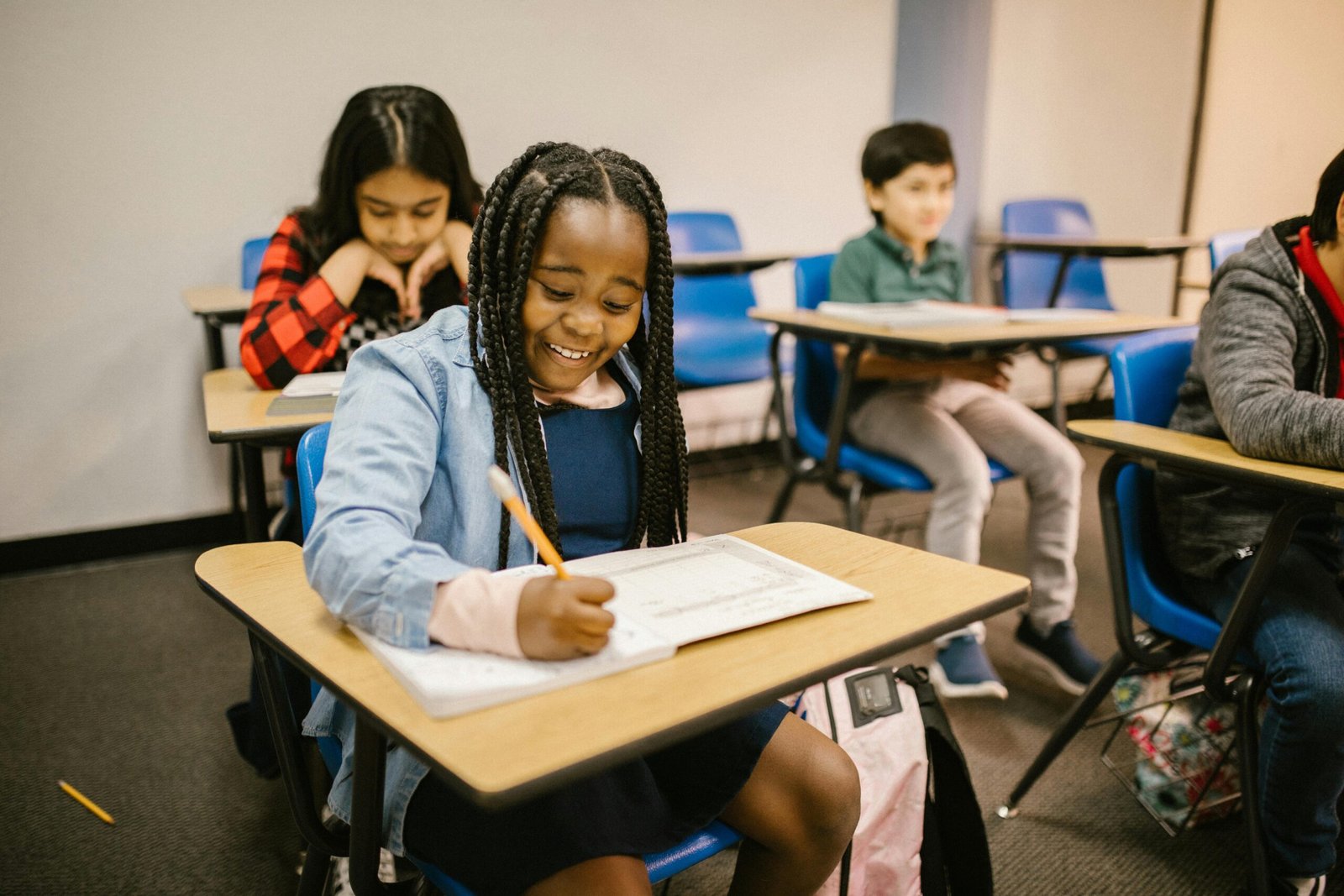
Discipline is a fundamental virtue that can support all human achievements and personal fulfillment. Disciplined individuals exhibit a strong sense of self-control, principles, and order, and are driven by responsibility. They are also aligned with their core values. It is this commitment that transforms intentions into actions, helps people achieve their goals, and propels development.
Let us find out in this article how striking the right balance between discipline and development helps in the proper growth of children.
Traits Acquired Through Discipline that Are Important for Development
Listed below are some traits acquired through discipline that are important for development:
- Self-control: Discipline strengthens a child’s ability to manage emotions, impulses, and immediate desires. It makes them capable of thinking before they act and staying calm under pressure. This trait is important for making thoughtful decisions and maintaining a positive attitude even during tough times.
- Consistency: Discipline promotes consistency, which allows children to develop and maintain healthy habits and routines. This, in turn, propels progress in every area, be it emotional, academic, or social. Maintaining consistency in actions makes it easy to enhance skills and achieve goals.
- Goal-oriented behavior: Discipline allows individuals to define clear objectives and put effort toward achieving them. It is also essential for maintaining motivation. Children who can set their goals clearly from a young age are more likely to stay focused on the bigger picture in life.
- Time management: Disciplined kids are better able to manage their time effectively. They can allocate their time wisely between responsibilities and leisure, which makes it easy for them to balance out both. Good time management helps in enhancing productivity and eliminates signs of stress.
- Responsibility: Discipline nurtures a sense of accountability, even among kids. When children learn to take responsibility from an early stage, they develop abilities like owning their choices, fulfilling commitments, and recognizing the consequences of their actions. They then tend to grow up as trustworthy and dependable adults, which becomes beneficial for both their professional and personal lives.
- Perseverance: Perseverance teaches individuals to persist in the face of challenges. When children are taught discipline, they develop a never-give-up attitude. Instead of being discouraged by failure, they learn from the setbacks.

When discipline is used positively, it helps in a child’s overall development. Discipline is not about control or punishment; it is about teaching. When parents and caregivers implement consistent and age-appropriate discipline in children, they learn important values like managing their impulses, taking responsibility for their actions, making good decisions, respecting others, and so on.
Principles to Support Children’s Growth in a Disciplined Manner
Helping children grow while striking the right balance between discipline and development requires more than just rules. There should be thoughtful guidance deeply rooted in consistency, empathy, and understanding.
Listed below are some principles that can help establish a balance between discipline and development:
- Have regard for the stage of development they are in. Support their growth by aligning the expectations with their development abilities as per their age.
- Don’t try to use discipline to control their behavior. Instead, discipline should be used to instill a sense of understanding among the kids.
- Create a secure environment with clear instructions. This makes sure that children can thrive.
- Develop an emotional connection. Before correcting children’s behavior, it is important that parents and caregivers address their feelings and try to gain their trust.
- Teach your children to think through their actions instead of simply asking them to be obedient.
Conclusion
Striking the right balance between discipline and development isn’t about choosing one over the other; it is about integrating both in a way that nurtures the whole child.

When discipline is grounded in empathy and aligned with a child’s developmental stage, it becomes a powerful tool for growth. Likewise, development flourishes in an environment where structure, responsibility, and emotional safety coexist.
By fostering both elements thoughtfully, parents and caregivers lay the foundation for confident, capable, and emotionally resilient individuals, ready to navigate life with purpose and integrity.