
We’re all familiar with the saying, “All work and no play makes Jack a dull boy.” In today’s competitive world, many parents, in their desire to see their children excel, often overload them with a packed schedule of activities—abacus, mental math, swimming, dancing, art classes, and more. While some of these pursuits may seem enjoyable, they often come at the cost of free time, which is essential for a child’s overall development, including their emotional development.
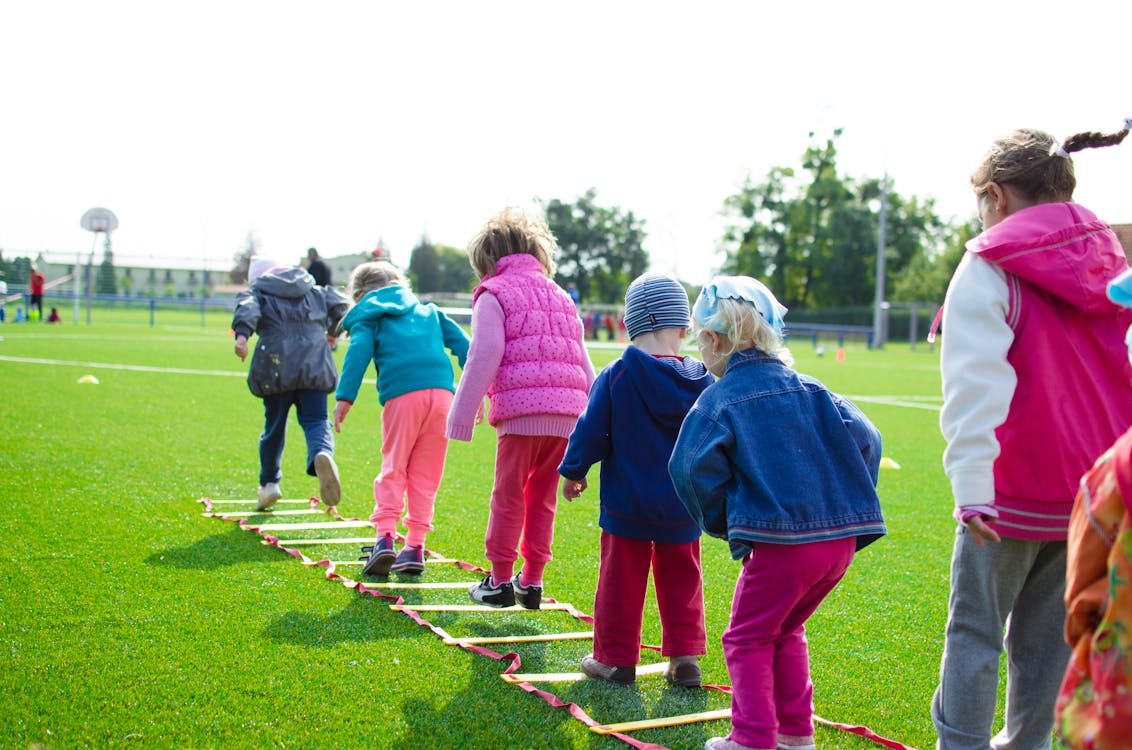
Unstructured play and leisure allow children to relax, explore their creativity, and simply enjoy being kids. Striking a balance between structured activities and free time is crucial to ensuring they grow up healthy, happy, and well-rounded. Read this article to find the link between play and emotional development, which is vital for children’s emotional development.
How is Play Important for Emotional Development
Play has a significant impact on the emotional health of a child and helps them develop valuable skills. Listed below are some of the benefits that show how play and emotional development are interlinked: This is essential for their emotional development.
Children Learn to Express Themselves
Unstructured play allows children to express themselves freely. It gives them the chance to explore their emotions and express them freely in a creative and imaginative way.
For instance, if children are given some art equipment like slime, colors, etc., they can create a visual representation of their emotions. Such creative freedom is a key aspect of how play and emotional development influence each other.
Children Learn to Empathize With and Understand Others
When children play with peers of their own age, they develop a better understanding of different perspectives. They also learn how to interact with inanimate objects during play.
By playing with dolls or action figures, children learn to step into the roles of their favorite characters. This imaginative exercise helps unlock their creativity and makes it easy for them to explore a variety of emotions and respond to different scenarios.
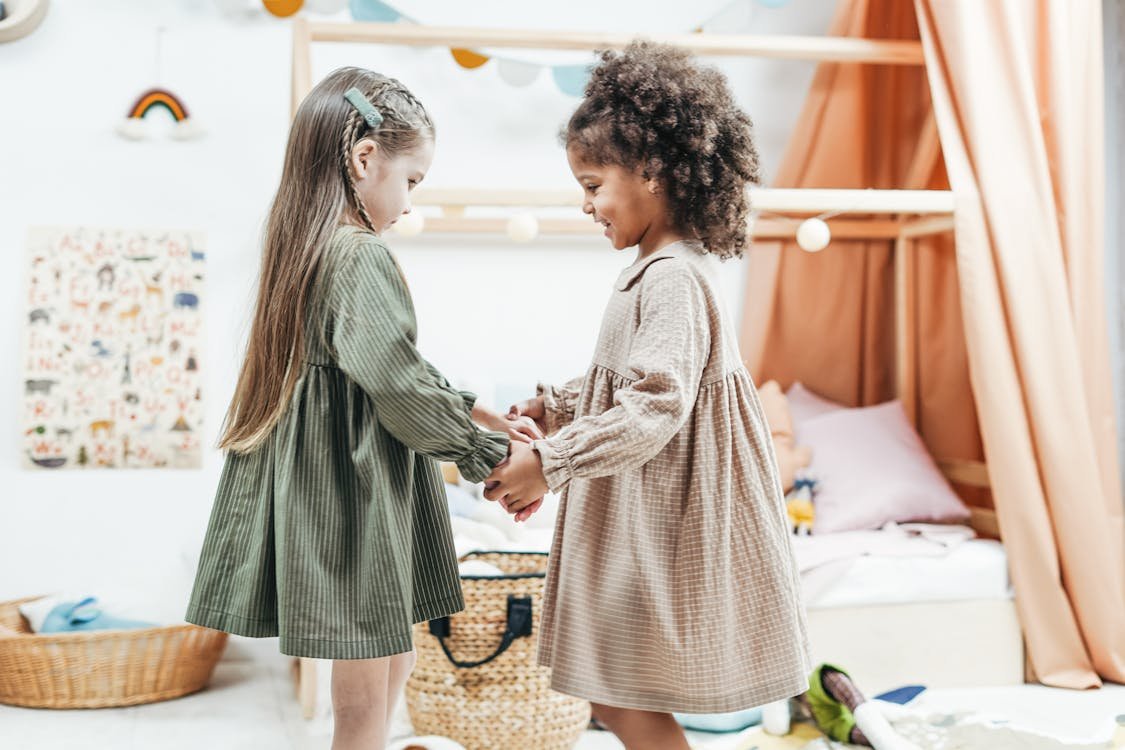
Playing with other kids also fosters the development of a sense of empathy. When children share play experiences, they learn the importance of sharing and cooperation with one another. These peer interactions through role-play provide one of the most natural environments for fostering play and emotional development.
Children Learn to Deal with Strong Emotions
The growth of a child is accompanied by a wide range of emotions like sadness, anger, and frustration. Playing with peers teaches children to explore their feelings, an essential part of play and emotional development. It also teaches them how to build the resilience required to cope with the ups and downs.
For instance, when children play with blocks and other kinds of construction toys, they develop skills like patience and perseverance, and learn how to overcome obstacles.
Children Develop Social Skills
As social creatures, humans thrive on connections. Playing provides an ideal opportunity for children to develop social skills, which they carry and use throughout their lives.
For instance, playing teaches children how to communicate effectively. They also learn to compromise as and when required, which helps them in developing strong relationships with others.
Playing Develops Confidence
When children engage in play, they explore a variety of activities. Through these experiences, they find enjoyment and gradually build confidence. This process supports the development of a healthy self-image. While playing, they often take risks and tackle new challenges, helping them grow and learn in meaningful ways.
Best Practices to Enhance Play Habits in Children
Here are some tips that parents can understand to ensure a healthy play habit in children:
- Provide your children with safe play areas where they can play without any fear of harm. They should feel comfortable in their play area for the best possible emotional development.
- Let your children choose the activities they wish to indulge in in their leisure. This offers them better control over their surroundings, and it also leads to better cognitive development.
- Take part in play with your children. This way, you can demonstrate that you value their ideas and interests. It also strengthens your relationship with them by increasing intimacy and trust.
Conclusion
Playtime helps to enrich a child’s world. When children are given the freedom to explore, imagine, and connect through play, they learn to navigate the world around them confidently. It helps enhance their emotional strength.
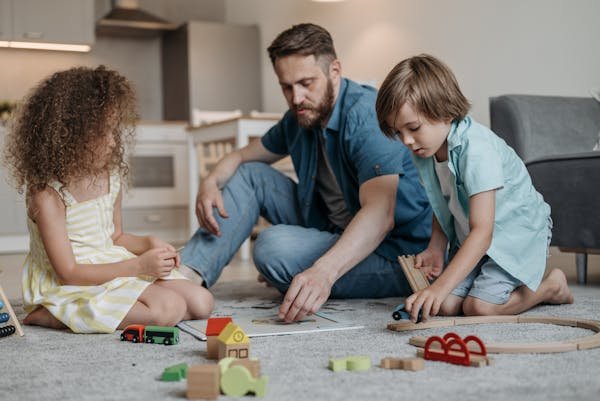
When parents and caregivers prioritize a child’s playtime, they give them the chance to unwind and space to grow. Therefore, it’s high time that we stop perceiving play as a distraction and accept it as a part of the children’s emotional journey.