
Being a student means living a fast-paced life- running to class, managing assignments, juggling deadlines, and squeezing in time for exams, part-time jobs, and maybe even a social life. With so much going on, food often becomes an afterthought. You either skip meals, grab the first snack you see, or live off instant noodles because they’re cheap and quick.
Whether you’re trying to focus in class, solve a math problem, or memorize pages of notes, your brain is working non-stop. And just like your phone needs a full battery to run smoothly, your brain needs good food to function well.

Unfortunately, many students think that eating healthy is expensive or time-consuming. It’s easy to assume that “eating right” means spending more money or learning to cook fancy meals. But that’s not true. In fact, some of the best foods for your brain are simple, local, and very affordable. You just need to know what to eat, when to eat, and how to make it work with your schedule and budget.
That’s where smart nutrition comes in; making practical, healthy choices that support your brain without costing too much time or money.
Let’s break it down in the simplest way possible.
Why Food Matters for Your Brain
If you skip meals or eat junk food too often, you may feel tired, moody, or unable to focus. Your brain needs fuel to work properly.
When you eat balanced meals, your brain stays active longer. You can focus better, remember things easily, and stay calm even during exams. Smart nutrition is like giving your brain the best tools to do its job, helping you stay on top of your academic game.
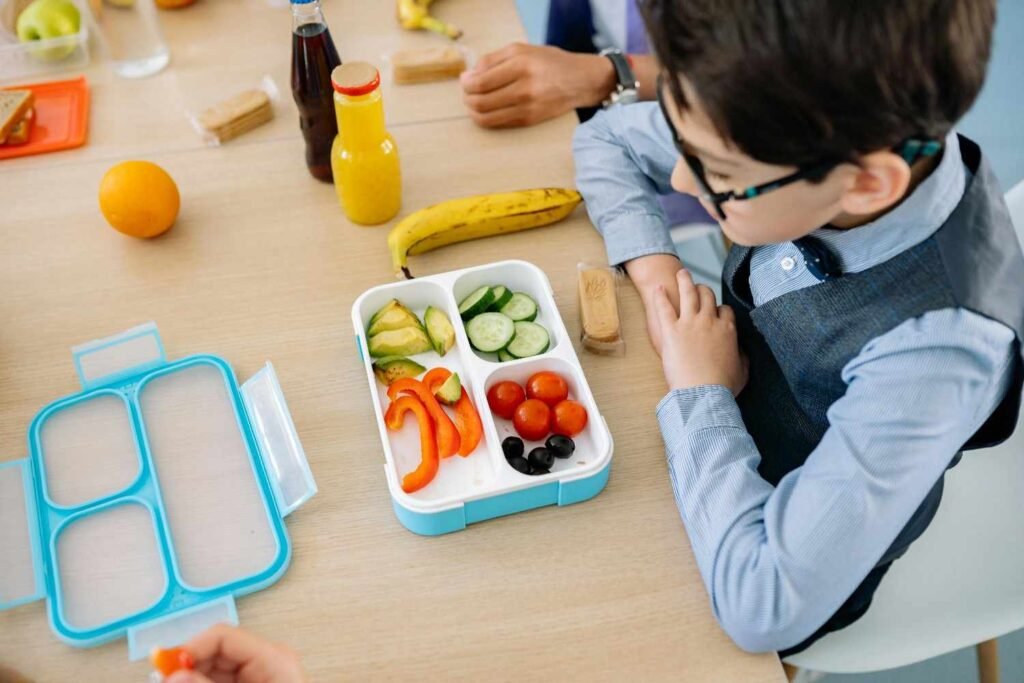
Budget-Friendly Foods That Boost Brain Power
You don’t need expensive “superfoods.” Many common foods are great for your brain and easy on your wallet. Have a look:
- Whole Grains for Energy: Foods like brown rice, oats, wheat bread, and millets keep you full and give you long-lasting energy. These are much better than sugary snacks that make you sleepy later.
- Eggs for Protein and Memory: Eggs are cheap and full of good stuff for your brain. They help with memory and give you protein that keeps you strong and focused.
- Fruits for Quick Snacks: Bananas, oranges, apples, and papayas are healthy, easy to carry, and not expensive. They give you natural sugar and vitamins that boost your mood and focus.
- Nuts and Seeds for Brain Health: Peanuts, sunflower seeds, and flaxseeds are full of healthy fats and protein. Buy them in bulk and keep a small pack in your bag for a quick, healthy snack.
- Green Vegetables for Iron and Vitamins: Spinach, fenugreek, and other leafy vegetables are cheap and packed with nutrients. They help prevent tiredness and keep your brain alert.
- Curd or Yogurt for Digestion: Curd is great for your stomach and also gives you protein. You can eat it with your meals or mix it with fruit for a simple snack.
These basic foods are part of a smart nutrition plan that works even for students on a budget.

Quick Fixes for Busy Days
Some days are so packed, you barely have time to eat. That’s where a little planning helps. Here are some easy ideas:
- Cook once, eat twice: Make a big batch of rice or khichdi and use it for lunch and dinner. Add a different sabzi or side to mix things up.
- Keep snacks ready: Boil some eggs, roast some peanuts, or cut up fruit and keep them in the fridge. Grab them when you’re running late.
- Carry food: A banana or a packet of chana in your bag can save you from buying overpriced, unhealthy snacks on campus.
Even small habits like these are part of making smart nutrition work for you, no matter how hectic your schedule gets.
It’s Important to Stay Hydrated
It’s easy to forget water when you’re sipping on tea, coffee, or soft drinks all day. But dehydration can make you feel tired, dizzy, and even anxious. Keep a water bottle with you at all times and try to sip regularly.
If plain water feels boring, try adding lemon, cucumber, or a bit of mint. You can also drink coconut water, buttermilk, or even simple lemonade to stay hydrated. Good hydration is an essential part of smart nutrition because your brain needs water just as much as it needs food.

Final Words
You don’t need to follow a strict diet or give up your favourite foods. You just need to be a little smarter with your choices. Eating healthy on a budget is possible; it just takes small steps.
Swap chips for peanuts. Drink water instead of cola. Cook one meal at home instead of ordering out. Add fruit to your day. These small changes are all part of smart nutrition, helping you feel better, think clearly, and perform better both in class and in life.
Because smart students need smart nutrition. And it doesn’t have to be complicated or expensive; it just has to be consistent.