
Introduction
Does your child randomly throw tantrums in the supermarket, suddenly become silent, or startle you with unexpected questions? Your child’s behavior may sometimes seem mysterious to you, but trust me, there’s ALWAYS A REASON.
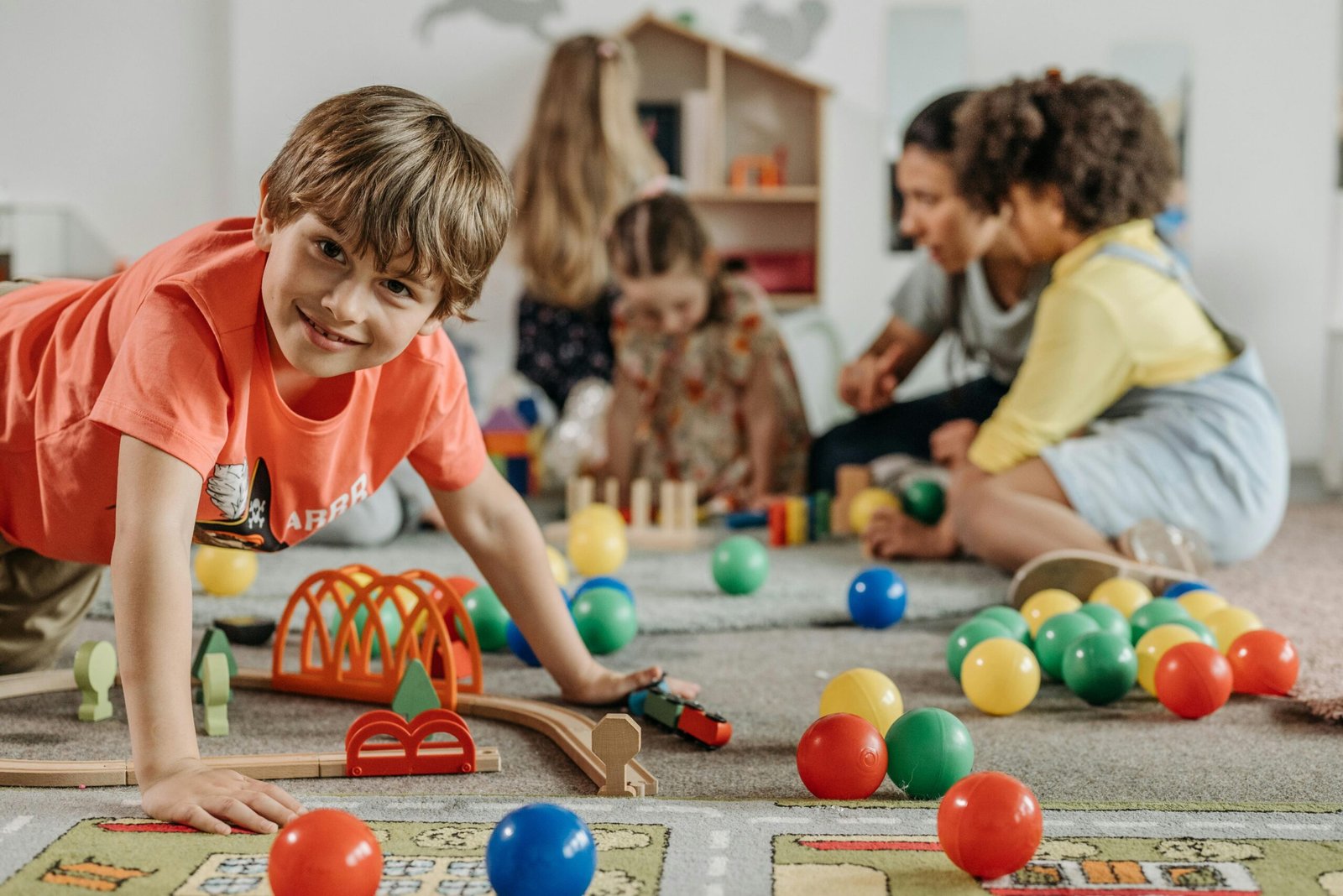
Kids often do not have words to express how they feel, so they act out. There may be times when your kid might seem defiant, but that might be their way of expressing anger. Similarly, what might seem like clinginess may actually be the child’s fear.
We must understand child behavior psychology, decode the underlying message, and respond accordingly. In this article, we will discuss how decoding a child’s behavior becomes easy through psychology.
Some Common Behavioral Problems in Children
There are a number of conditions that may result in behavioral problems in children. Some of them are listed below:
- Attention-Deficit Hyperactivity Disorder: This is a neurobehavioral condition that can be identified in childhood itself. Some common behaviors include impulsivity, inattention, and hyperactivity. Children who have this condition usually find it difficult to control their behavior and pay attention. They also face difficulty in following instructions.
- Conduct Disorder: Children who have this condition tend to violate the social norms in settings like school and home, and with peers. They tend to threaten or bully others, get involved in physical aggression, destroy property, or even steal and cause harm for their personal gain. They may also exhibit cruelty towards animals and people.
- Oppositional-Defiant Disorder: The symptoms of ODD may appear similar to those of conduct disorder. However, in the case of ODD, a child will exhibit strong signs of misbehavior, anger, vindictiveness, and aggression. Such children have low tolerance for frustration and throw frequent temper tantrums. They do not comply with requests and may often lie intentionally to create a situation of unrest and conflict.
These conditions can be better understood when viewed through a child behavior psychology lens. They can help us better understand the anomaly in our child’s behavior and take the necessary measures.
Factors that Affect a Child’s Behavior
There are several factors that affect a child’s behavior. The environment and culture a child is being raised in, the genetics, social learning, and personal experiences, all of these play a significant role in shaping a child’s behavior.
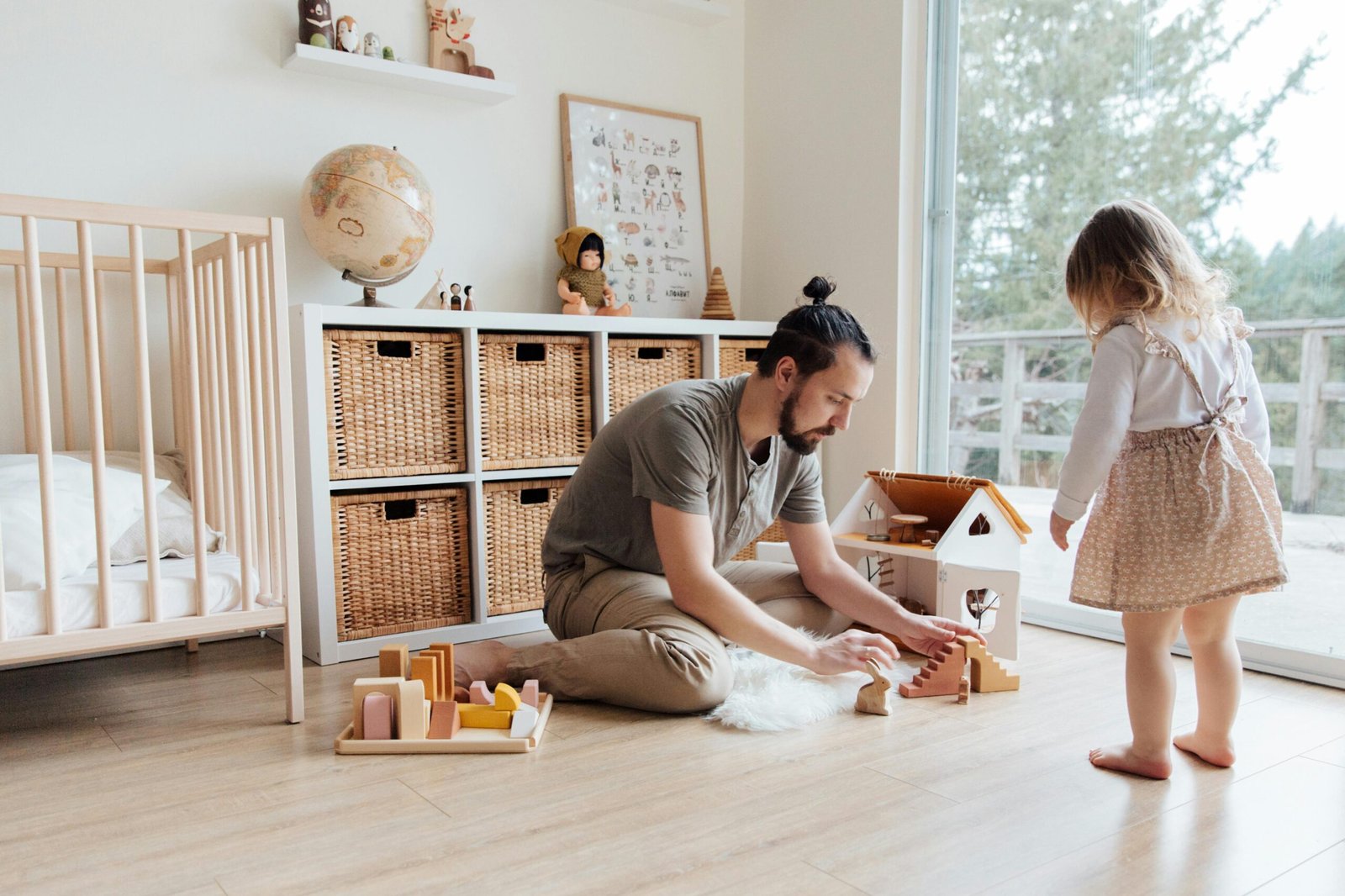
Child behavior psychology highlights how both genetic and environmental factors contribute to a child’s actions. Let us have a look at some of the factors that impact a child’s behavior:
- Genetics: A child may have inherited certain predispositions and traits that can affect their personality or temperament.
- Environment: A child’s environment includes their family, parenting styles, socio-economic background, and everything that a child is being raised amidst.
- Peer influence: A child’s peer relationships can impact their social skills, behavior, and decision-making abilities. Factors like peer pressure, acceptance, and rejection can help shape a child’s behavior both positively and negatively.
How can Grown-ups Decode and Support Children with Behavioral Problems?
It is important that we pay attention to not just how a child is acting, but also when and why they are acting that way. A child should feel heard and understood without the fear of being punished; this will help them change.
As adults, it is important that we understand a child’s behavioral issues through child behavior psychology at an early stage and act upon them accordingly. One of the most common ways to do this is using the Child Behavior Checklist by American Psychologist, Thomas M. Achenbach.
This method involves assessing a child’s behavior in two ways: the first one is assessing the external behavior, like hyperactivity and aggression, and the second one is identifying the internal behavior, like anxiety and depression. In this approach, a child’s parents, teachers, and caregivers are asked to use a rating scale to mark varying children’s behavior.
In some cases, cognitive-behavioral therapy is used to treat a child’s behavioral problems. It is a common type of “talk therapy” that can be applied to children. Many times, a parent is taught the procedure, and the rate of success depends on the parent’s willingness to be actively involved.
Conclusion
Every child is different, and there is no “One-size-fits-all” when you try to assess a child’s behavior. What may work for one child may not apply to another; it takes a lot of patience to understand the psychology behind a child’s unexpected behavior.

The key lies in shifting our perspective from asking “What’s wrong with this child?” to “What is this child trying to tell me through their behavior?” This shift in mindset enables us to respond with compassion rather than judgment, and to foster an environment where children feel safe, understood, and supported.