
The early years of a child’s life are extremely crucial as they form the foundation for their future behavior, health, and learning. Right from the moment a child is born to the time that the child turns five, the child’s brain undergoes rapid changes. These years become a critical window for shaping a child’s social, cognitive, emotional, and physical development.

When children grow, their brains form millions of neural connections every second, which are influenced by both experience and genetics. Amidst these, factors like supportive environments, timely interventions, and nurturing relationships play an important role. Although every child develops at their own pace, it becomes important that parents recognize and respond to the individual needs of children. This can help unlock their full potential.
Investing in early childhood development lays the foundation for a healthier and more capable society. Read on to know how.
Importance of the Early Years in a Child’s Life
The early years of a human’s life are important because it is during this stage that children undergo mental, cognitive, social, and emotional development.
- The brain develops the most rapidly during the first five years. It forms around 1 million neural connections every second.
- The experiences gained during this time help in shaping the brain’s architecture and influence its development.
- The more positive interactions are carried out in a stimulating environment, the better a child acquires skills like empathy, self-control, and problem-solving. Early childhood development is most impactful during this time.
Social and Emotional Development
- Children learn important skills like emotional regulation, empathy, and relationship-building.
- Through their early experiences, children learn to develop skills like social interactions and understand social cues better.
- When children grow up in a positive and nurturing environment, it boosts their self-esteem and supports early childhood development.
Cognitive Development
- It is during the early stages of development that a child acquires pre-reading skills such as phonics, letter recognition, vocabulary, etc.
- Children develop communication skills and learn to build vocabulary during their early childhood.
- During this phase of development, children learn mathematical concepts like shape recognition, sorting, and counting—key aspects of early childhood development.
Stages of Brain Development
A child’s brain undergoes essential stages of development during the first years. Let us see how a child’s brain grows through the different stages:
Ante-natal Stage: During this stage, a child’s brain has already started developing. The five sense organs begin functioning even before birth. The prenatal sensory experiences help in shaping the nervous system and the brain.
2–6 Months: During this stage, babies observe their parents and caregivers and learn various emotions. They also learn how to react to different movements and sounds like cooing, smiling, yelling, or even crying.

6–9 Months: By the time children turn 9 months, their brains undergo rapid growth spurts. They can link what they see, feel, taste, and hear. During this stage, interactions and playtime with parents and caregivers offer excellent learning opportunities to kids.
3 Years: By the time a child turns 3, their brains develop around 1,000 trillion synapses. During this phase of development, brain development can be fostered by exposing the children to a good, safe environment and maintaining positive relationships with parents and caregivers.
3–5 Years: The 3–5 age range is a critical period of neuroplasticity, where the brain is highly moldable and responsive to learning and the environment. Positive experiences like play, reading, social interaction, and nurturing care have a powerful impact on shaping lifelong cognitive, emotional, and behavioral patterns—all of which are essential to early childhood development.
How Parents and Caregivers Can Support Early Brain Development
Parents and caregivers have an important role to play in supporting early childhood development in children. Listed below are some ways in which they can do so:
- They should engage their children in daily conversations, read to them aloud, and sing to them. These activities help enhance the children’s listening skills, vocabulary, and build neural connections.
- Parents should encourage play-based learning. Building blocks, puzzles, pretend games, and drawing activities help children boost their problem-solving skills, creativity, emotional expression, and coordination.
- Parents and caregivers must pay attention to the children’s cues and respond accordingly. Responsive caregiving fosters healthy brain growth and develops strong bonds.
- To ensure a child’s emotional development, children should be taught how to identify their feelings and name them. Open discussions about emotions can teach them about emotional regulation and are a key part of early childhood development.
Conclusion
Understanding early brain development offers a powerful lens into how young children learn, feel, and grow. With the right support, these formative years become the foundation for lifelong skills, relationships, and well-being.
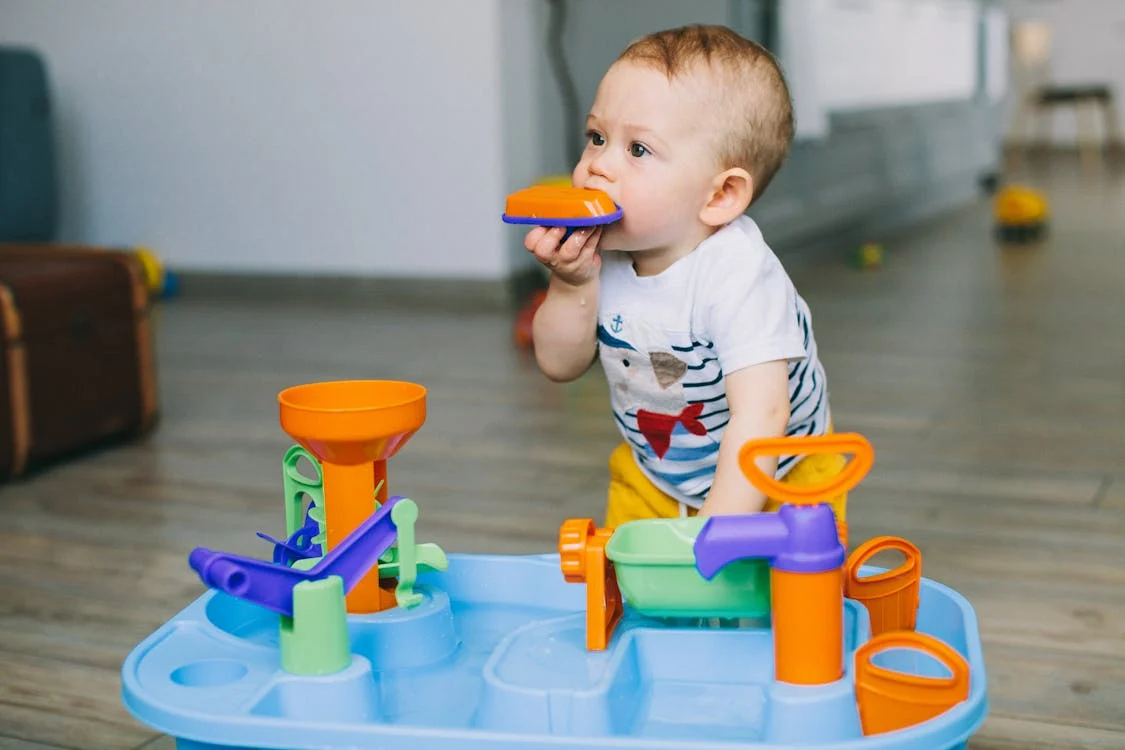
As parents and caregivers, your everyday interactions, from reading and playing to simply listening, can shape your child’s future in profound ways. It’s not about perfection, but about being present, engaged, and responsive.