
What we eat every day plays a powerful role in how we feel, function, and maintain our health. The concept of using food for healthy living goes far beyond counting calories or avoiding junk food. It is about choosing foods that nourish the body, strengthen the immune system, and help prevent chronic diseases such as heart disease, obesity, and diabetes.
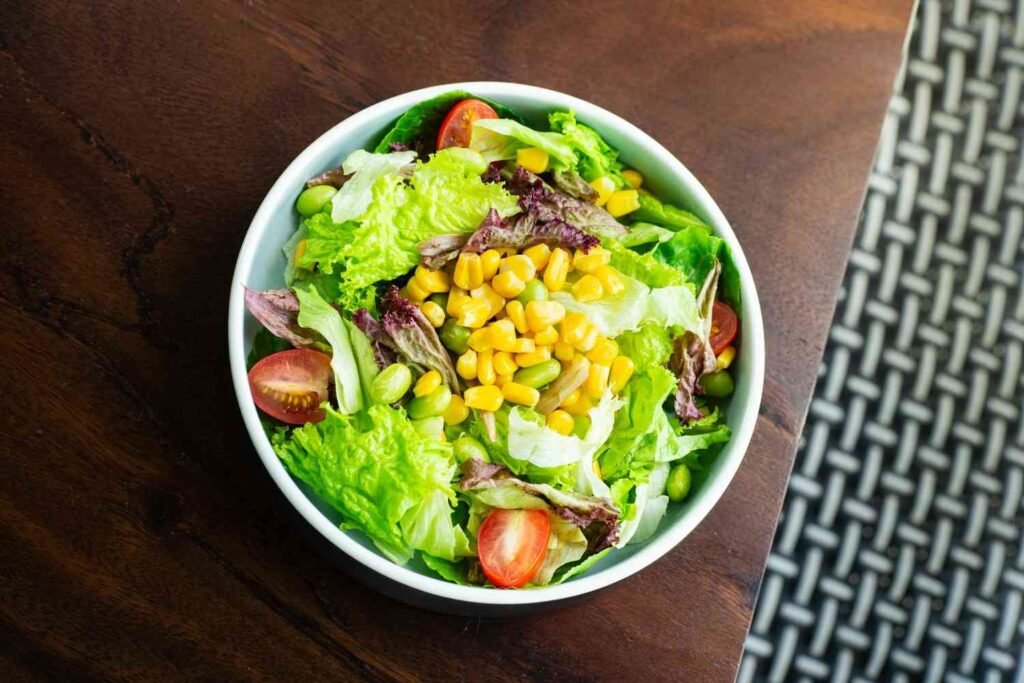
In today’s fast-paced world, processed foods have become the norm due to convenience. However, these foods are often high in sugar, unhealthy fats, and additives, while lacking essential nutrients. Returning to fresh, whole foods and embracing the idea of food as medicine can help you take control of your long-term well-being.
What Does It Mean to Use Food as Medicine?
The term “food as medicine” refers to using the natural properties of whole foods to support health, prevent illness, and promote healing. Rather than waiting for illness to occur and treating it with medication alone, food for healthy living supports the body on a daily basis, helping it stay strong and function effectively.
Whole foods offer a powerful mix of nutrients, including:
- Vitamins and minerals that regulate important bodily functions
- Fiber that promotes digestion and helps control blood sugar
- Antioxidants and phytochemicals that reduce inflammation and support immune health
These nutrients do not work in isolation. They interact in the body to protect cells, fight damage, and promote overall balance.
What Happens If We Do Not Eat Healthy Foods?
Failing to eat nutritious foods regularly can have serious consequences for your health. Over time, a poor diet can lead to a range of chronic and potentially life-threatening conditions, including:
- Type 2 Diabetes: Excess sugar and refined carbs raise blood glucose levels and contribute to insulin resistance.
- Heart Disease: Diets high in saturated fat and sodium increase the risk of high blood pressure and cholesterol buildup.
- Obesity: Consuming calorie-dense, low-nutrient foods often leads to weight gain and metabolic disorders.
- Digestive Issues: A lack of fiber can slow digestion and disrupt gut bacteria balance.
- Nutrient Deficiencies: Inadequate intake of essential vitamins and minerals can lead to fatigue, bone loss, weakened immunity, and poor mental focus.
- Certain Cancers: Long-term exposure to processed meats, excess sugar, and alcohol is associated with increased cancer risk.
These health issues are not inevitable. Many can be prevented or improved through better nutrition and lifestyle choices centered around food for healthy living.

How Food Influences Disease Risk
Your diet can either support your body’s natural healing processes or weaken them. Diets rich in ultra-processed foods have been linked to inflammation, blood sugar spikes, poor digestion, and lower energy. In contrast, consistent intake of nutrient-dense foods has protective effects.
By choosing food for healthy living, you can:
- Reduce inflammation in the body
- Improve heart and brain function
- Support digestive and immune health
- Maintain a balanced weight
- Promote clearer thinking and emotional stability
These benefits build over time. A nourishing diet works behind the scenes every day, supporting your body’s natural defenses.
Effective Eating Patterns for Better Health
Instead of focusing on isolated “superfoods,” experts recommend following overall dietary patterns that include a wide variety of natural, whole foods. Among the most well-supported options are:
Mediterranean Diet
This diet is rich in fruits, vegetables, legumes, whole grains, nuts, olive oil, and seafood. It is known for supporting heart and brain health and reducing the risk of chronic diseases.
DASH Diet
Originally developed to lower blood pressure, the DASH diet emphasizes fruits, vegetables, whole grains, lean proteins, and low-fat dairy, while reducing sodium intake.
MIND Diet
A blend of the Mediterranean and DASH diets, the MIND diet focuses on brain-protective foods such as leafy greens, berries, nuts, and fish, aiming to reduce the risk of cognitive decline.
These approaches all promote food for healthy living by focusing on balance, variety, and whole food choices.
Key Foods That Support Wellness
Eating a balanced mix of nutrient-rich foods gives your body the tools it needs to thrive. Here are essential categories of foods to include regularly:
- Fruits and Vegetables: Provide vitamins, antioxidants, and fiber that lower inflammation and support immune function.
- Whole Grains: Options like oats, quinoa, and brown rice help regulate digestion and provide steady energy.
- Nuts and Seeds: Contain healthy fats, plant-based protein, and key minerals that protect the heart and brain.
- Legumes: Beans, lentils, and chickpeas support digestion and help control blood sugar.
- Fatty Fish: Salmon, sardines, and mackerel are rich in omega-3 fats that reduce inflammation and improve heart health.
- Fermented Foods: Yogurt, kefir, and kimchi introduce healthy bacteria that support gut health.
- Lean Proteins and Dairy: Eggs, poultry, milk, and cheese deliver protein and essential nutrients like calcium and vitamin B12.
These foods form the foundation of a healthy living plan.
Simple Ways to Begin Eating for Health
Starting with small, manageable changes makes it easier to maintain healthy eating over the long term. Here are practical steps to help you get started:
- Add one fruit or vegetable to every meal
- Cook more meals at home using fresh ingredients
- Replace refined grains with whole-grain options
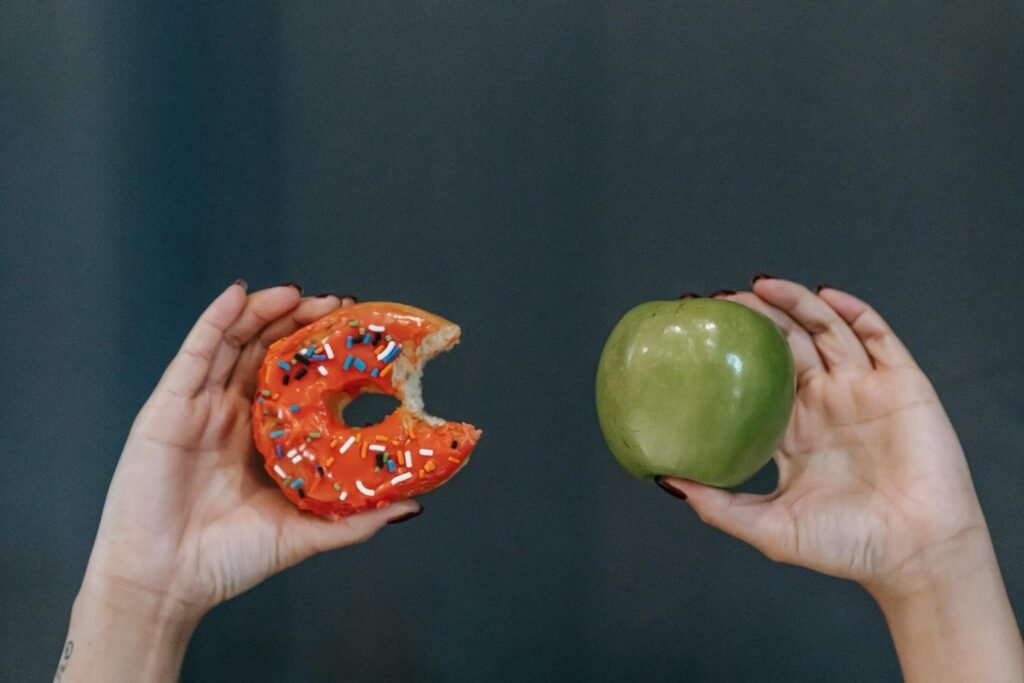
- Swap sugary snacks for nuts or fresh fruit
- Stay hydrated with water and herbal teas
- Use herbs and spices for flavor instead of excess salt
- Plan your meals to avoid impulse eating
The goal is not perfection, but consistency. Every good choice adds up over time to support lasting wellness.
Lifestyle Habits That Enhance Nutrition
Food is one pillar of health, but it works best when combined with other supportive habits. For optimal results, pair food for healthy living with:
- Regular physical activity
- Adequate sleep
- Stress management through relaxation or mindfulness
- Limiting alcohol and avoiding smoking
- Strong social connections and emotional well-being
Together, these habits create a healthy lifestyle that promotes resilience, energy, and vitality.
Food and Medicine Work Best Together
While food plays a key role in health, it should not be viewed as a replacement for medical treatment. Some conditions require medications, monitoring, or interventions. However, using food alongside traditional care enhances the body’s response and may improve outcomes.
Many healthcare programs now support nutrition-based interventions, offering medically tailored meals and food prescriptions to patients in need. These programs reflect a growing understanding that food for healthy living belongs in every healthcare conversation.
Final Thoughts
Food is more than just fuel. It has the power to nourish, protect, and heal. When you make intentional choices rooted in food for healthy living, you give your body the support it needs to function at its best.
Eating well does not mean following strict rules or depriving yourself. It means embracing the foods that help you feel energized, balanced, and strong. Combined with other healthy habits, nutrition becomes one of the most effective tools you have to live a longer, healthier, and more fulfilling life.