
A healthy immune system is your body’s first line of defense, not just against seasonal colds and flu, but also against more serious health concerns. While genetics and environment play a role, the food you eat has a powerful influence on how well your immune system functions. That’s why focusing on foods to boost your immune system can make a big difference in your overall health.
Let’s explore how the immune system works, why superfoods matter, and the best natural ways to support immunity through both diet and lifestyle.
Understanding the Immune System
Your immune system is a complex network of cells, tissues, and organs that work together to protect your body from harmful invaders like viruses and bacteria. White blood cells identify and attack these intruders to keep you healthy.
When your immune system is strong, you get sick less often, and when you do, you recover faster. But when it’s weak, you’re more likely to get infections and take longer to heal. Eating the right foods to boost your immune system helps keep it resilient and responsive.
What Are Superfoods?
The term “superfoods” refers to nutrient-rich foods that offer significant health benefits. Though not a scientific classification, these foods are packed with vitamins, minerals, antioxidants, and healthy fats — all of which support immune function.
Superfoods can’t cure diseases, but including foods to boost your immune system in a balanced diet can help your body function better and reduce the risk of illness.
10 Superfoods to Boost Immunity
Here are ten nutrient-dense foods to boost your immune system naturally:
a) Berries: Blueberries, blackberries, strawberries, and goji berries are full of vitamin C and antioxidants. These compounds help reduce inflammation and fight free radicals. Add berries to smoothies, oatmeal, or yogurt.
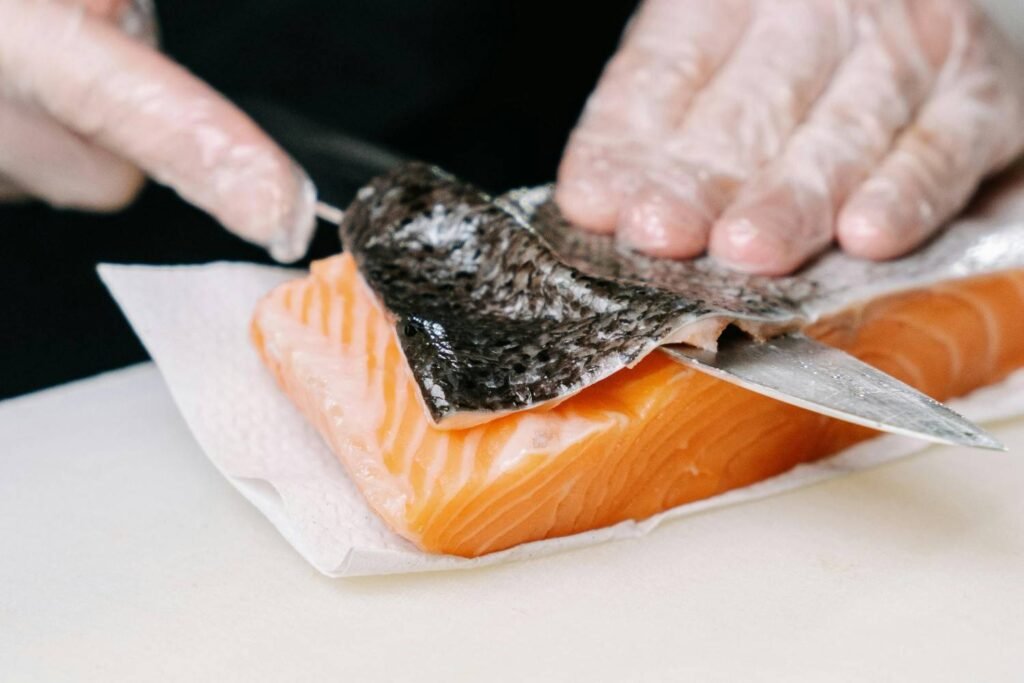
b) Fatty Fish: Salmon, tuna, sardines, and mackerel are rich in omega-3 fatty acids, which support immune cell function and reduce chronic inflammation.
c) Leafy Greens: Spinach, kale, and collard greens provide vitamin C, beta-carotene, and other antioxidants that strengthen immune defenses and promote gut health.
d) Nuts and Seeds: Almonds, walnuts, sunflower seeds, and flaxseeds supply vitamin E, B-6, zinc, and selenium. These nutrients help your immune system stay balanced and responsive.
e) Spices: Garlic, ginger, and turmeric have natural anti-inflammatory and antimicrobial properties. Add them to soups, teas, and stir-fries for both flavor and health benefits.
f) Citrus Fruits: Oranges, lemons, limes, and grapefruits are packed with vitamin C, which stimulates white blood cell production and helps protect against infections.

g) Poultry: Chicken and turkey are good sources of vitamin B-6 and zinc, which are important for the creation of new red and white blood cells. Chicken soup isn’t just comforting, it’s nourishing too.
h) Bright-Colored Vegetables: Red bell peppers, carrots, and sweet potatoes contain high levels of beta-carotene and vitamin C. They support immune health, improve skin, and protect vision.
i) Yogurt: Yogurt with live and active cultures promotes healthy gut bacteria, which play a key role in immune function. Choose unsweetened yogurt and add fruit or honey for flavor.
j) Olive Oil: A cornerstone of the Mediterranean diet, olive oil contains healthy fats and antioxidants that help lower inflammation and support a healthy immune response.
Lifestyle Habits That Support Immunity
Nutrition is key, but it works best when paired with supportive lifestyle habits. Along with foods to boost your immune system, here are essential practices to help it function at its best:
a) Exercise Regularly: Regular movement improves circulation, helping immune cells travel efficiently throughout the body. Aim for at least 30 minutes of moderate activity most days.
b) Sleep Well: Your body repairs and regenerates during sleep. Adults should aim for 7 to 9 hours of quality rest each night to support immune health.
c) Manage Stress: Chronic stress suppresses immune function. Practice mindfulness, spend time in nature, or find creative outlets to reduce mental tension.
d) Stay Hydrated: Water helps flush out toxins, supports digestion, and ensures that cells, including immune cells, function properly.
e) Avoid Smoking: Smoking harms the lungs and weakens immune defenses. Quitting improves overall health and reduces your risk of infections.
f) Limit Alcohol: Too much alcohol can impair immune response. If you choose to drink, do so in moderation- one drink a day for women, two for men.
g) Maintain a Healthy Weight: Excess weight increases inflammation and stresses the immune system. Balanced eating and regular activity support a healthy body weight.
h) Practice Good Hygiene: Frequent and proper handwashing is a simple, effective way to prevent the spread of germs.
i) Stay Up to Date on Vaccines: Vaccines train your immune system to recognize and fight infections. Keep up with recommended vaccines for flu, pneumonia, and other preventable illnesses.
Start Small, Stay Consistent
You don’t need to overhaul your entire lifestyle to improve your health. Begin with small, manageable changes like adding a handful of berries to your breakfast, drinking an extra glass of water each day, or choosing grilled fish over processed snacks. These little steps add up over time, especially when you consistently include foods to boost your immune system as part of your daily meals. Think of your diet as one of your most powerful tools for building long-term immunity and resilience.

Your immune system thrives on balance; not just in what you eat, but in how you live. Pairing foods to boost your immune system with healthy lifestyle choices such as regular exercise, good sleep, and stress management creates a strong foundation for wellness. With patience, consistency, and mindful choices, you can help your body stay prepared to fight off illness, recover faster, and feel better every day.