
In today’s fast-moving professional world, finding time to focus on healthy eating can feel like a daily challenge. Whether you are commuting through traffic, attending back-to-back meetings, or managing deadlines, it’s easy to skip meals or settle for whatever is quick and available. In India, where food is rich in flavour and tradition, the temptation to indulge in deep-fried snacks or sugary tea is everywhere.
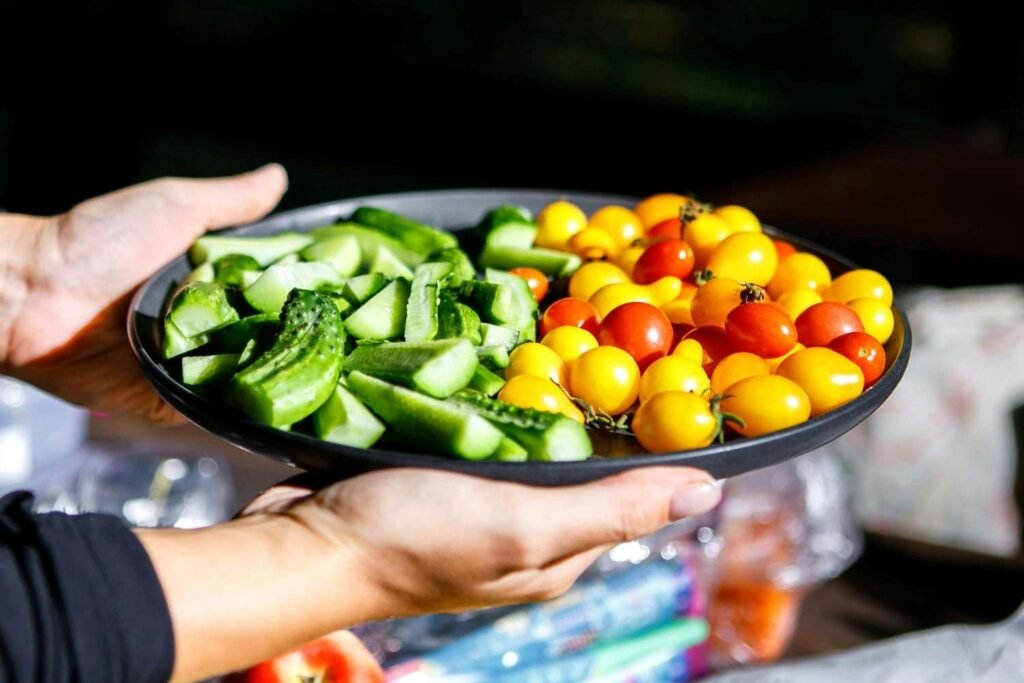
But here’s the truth- healthy eating does not have to be difficult or time-consuming. With a little planning and a few smart choices, even the busiest professional can enjoy nutritious food that supports energy, focus, and overall well-being.
Let us explore some practical tips that actually work, specially designed for the Indian lifestyle.
Tips for Healthy Eating for Busy Professionals
1. Plan Ahead with Simple Indian Meals
Planning your meals in advance is one of the best ways to stay on track with healthy eating during the workweek. You don’t need complicated recipes. Stick to basic, home-style food that is easy to cook and store.
On weekends or your day off, prepare essentials like dal, dry sabzi, rice or millet, and dough for roti. Store them in containers so they are ready to go when you’re tired after work. Keep a variety of vegetables chopped and ready in the fridge to save time.
For your lunchbox, a simple combination of roti, sabzi, a small portion of rice with dal or curd, and some salad is perfect. This kind of meal keeps you full without making you sluggish.
2. Choose Healthier Indian Snacks
Snacking is common in most Indian households and offices, especially during tea time. Instead of reaching for biscuits, chips or deep-fried options, stock up on healthier snacks that align with your healthy eating goals.
Some great choices include roasted chana, puffed rice with peanuts, boiled corn with a pinch of chaat masala, mixed dry fruits, fruit slices, or even a small bowl of curd with flax seeds. You can also keep homemade snacks like poha, idli, or dhokla ready for mid-morning or evening hunger pangs.

3. Keep Yourself Hydrated
In the middle of a busy day, you might forget to drink water. Dehydration can lead to low energy, headaches, and poor focus. Always keep a water bottle at your desk and sip regularly throughout the day.
To make it more refreshing, add lemon slices, tulsi leaves, or cucumber. You can also drink coconut water, buttermilk, or herbal teas. Cutting down on sugary drinks is another step towards better, healthier eating.

4. Make Smarter Choices When Eating Out
Eating outside is often unavoidable. The key is not to avoid it completely but to make better decisions that support healthy eating.
At a restaurant or cafeteria, choose dishes that are grilled or steamed rather than fried. Select tandoori items, plain dosa, vegetable pulao, or rajma chawal instead of dishes floating in oil or cream. Ask for dressings and sauces on the side.
Adding curd or salad to your meal brings balance and fibre without sacrificing flavour.
5. Include Protein and Fibre in Every Meal
Many Indian meals are heavy on carbohydrates but low in protein and fibre. These nutrients are essential for lasting energy and satiety, making them key players in healthy eating.
Good protein options include dals, chickpeas, paneer, curd, eggs, and lean meats. Fibre can come from vegetables, fruits, whole grains, and seeds. Try adding a bowl of salad or stir-fried vegetables to at least one meal a day.
6. Be Ready for Busy Days
There will be days when you skip lunch or work late. Having a few emergency food options nearby supports consistent healthy eating.
Keep snacks like dry fruit laddoos, roasted peanuts, or a banana in your bag or desk. If you travel often, carry instant oats, herbal teas, protein bars, or nut butter sachets. These small preparations can prevent poor food choices when you’re short on time.
7. Take a Few Minutes to Eat Mindfully
Eating in a rush can lead to overeating and poor digestion. Even if you are busy, try to eat at least one meal a day without distractions.
Sit down, chew slowly, and enjoy the taste of your food. Mindful eating is a vital part of healthy eating, helping you feel more satisfied and aware of your food choices.
Final Thoughts
Healthy eating for professionals is not about being perfect every day. It’s about making thoughtful choices that fit into your routine and improve your health over t ime. Start small-replace your evening samosa with a bowl of sprouts, add a fruit to your lunchbox, and drink more water.

You don’t have to give up your favourite foods or follow strict rules. Just aim for balance, keep it simple, and stay consistent. Your body and mind will thank you for it.